
How Small Effective Habits Improve Productivity

How Small Effective Habits Improve Your Productivity

How Small Effective Habits Improve Your Productivity

How Small Effective Habits Improve Your Productivity

Written by

Blitzit Team

Published

Jan 12, 2026

Productivity can feel hard to hold onto, even with the best intentions. The good news is that it often comes down to small habits that are easy to repeat, not huge changes that are hard to maintain. This guide breaks down how habits form, how to choose the ones that matter most, and simple ways to put them into practice so progress actually sticks.

The real shift is not working longer hours; it is building small, effective habits that support your day instead of fighting it. If staying consistent is the tricky part, tools like Blitzit can help you keep track of those habits and protect focused time so tasks move forward. Keep reading to see how small, effective habits improve your productivity and how to start with a few changes that quickly add up.

The Science Behind Habit Formation and Productivity

Here's the thing about habits: they're your brain's way of putting routine tasks on autopilot. When you repeat an action enough times, your brain creates a neurological loop: cue, routine, reward. This shift from conscious effort to automatic behavior is gold for productivity because it frees up mental bandwidth for the stuff that really matters.

Think about it, every decision you make throughout the day chips away at your willpower reserves. What to wear, what to eat, whether to check that notification, it all adds up. But when you turn productive behaviors into habits, you're essentially removing decisions from the equation. Your brain stops treating these actions as choices and starts treating them as givens.

The research says that nearly 45% of our daily actions are habits, not conscious decisions. That's almost half your day running on autopilot. So the question becomes: are your autopilot behaviors helping or hindering your productivity?

The Compound Effect of Small Changes

You don't need to overhaul your entire life to see results. Behavioral scientists have found that marginal gains, those tiny, almost insignificant improvements, create massive outcomes when they compound over time.

Picture this: improving by just 1% each day doesn't feel like much. But mathematically, if you get 1% better each day for a year, you'll end up 37 times better by the end of it. Not 37% better, 37 times better. That's the power of compound interest applied to personal development.

The British cycling team famously used this approach to dominate the sport. They improved everything by tiny margins, from the pillows cyclists slept on to the massage gels they used. Each change was negligible on its own, but together? They won 178 world championships and 66 Olympic medals.

Your productivity works the same way. A five-minute morning planning session might save you 15 minutes of wandering later. Setting up your workspace the night before might help you jump straight into deep work. Small changes, big results.

Neural Pathways and Automatic Behaviors

Your brain is constantly rewiring itself based on what you do repeatedly. Neuroscientists call this neuroplasticity, and it's why practice really does make perfect, or at least automatic.

Every time you perform an action, you strengthen the neural pathways associated with that behavior. It's like walking through a field of tall grass. The first time, it's hard work pushing through. But walk the same path every day, and soon you've got a clear trail that's easy to follow.

Consistent practice beats sporadic bursts every time. This is called the spacing effect; your brain retains and strengthens connections better when learning is spread out over time rather than crammed into intense sessions. And here's a bonus: sleep consolidates these pathways, helping new behaviors become automatic faster. So yes, sleeping on it works.

The beautiful part? Once these pathways are established, the behaviors become almost effortless. You stop needing motivation because the habit pulls you forward automatically.

Morning Habits That Set the Tone for Success

Mornings matter more than you think. What you do in the first hour after waking often determines the trajectory of your entire day. And no, you don't need a two-hour morning routine involving meditation, journaling, exercise, and a green smoothie (unless that's your thing).

The Power of a Consistent Wake Time

Your body runs on an internal clock called your circadian rhythm. When you wake up at the same time every day, yes, even on weekends, you're working with this rhythm instead of against it.

Consistent wake times improve more than just your energy levels. They enhance cognitive function, stabilize your mood, and make other habits easier to maintain. Your body starts preparing for wakefulness before your alarm even goes off, releasing cortisol and raising your body temperature at just the right time.

But here's what most people miss: a consistent wake time also makes it easier to fall asleep at night. Your body learns the pattern and starts winding down at the appropriate time. Better sleep means better focus tomorrow. It's a productivity loop that feeds itself.

Mindful Morning Routines

You know that feeling when you nail something first thing in the morning? That's not just satisfaction, it's momentum. Small morning wins create what psychologists call an 'achievement priming effect.' Your brain gets a taste of success and wants more.

Start simple. Make your bed. Drink a glass of water. Spend two minutes planning your day. These aren't life-changing actions on their own, but they send a powerful signal to your brain: "We're in control here. We get things done."

One particularly effective approach is to tackle your most important task first, what productivity experts call 'eating the frog.' When you handle your biggest challenge while your willpower is fresh, everything else feels easier by comparison. Tools like Blitzit's Today column can help here, letting you prioritize tasks the night before so you wake up knowing exactly where to start.

Time Management Habits for Peak Performance

Time management isn't about squeezing more hours out of the day; it's about making the hours you have count. The right habits can help you work with your natural energy rhythms instead of fighting them.

Time Blocking and Task Batching

Your brain hates context switching. Every time you jump between different types of tasks, you lose precious minutes to what researchers call 'switching costs.' It's like your mental gears need time to shift.

Time blocking solves this by dedicating specific chunks of time to specific types of work. Instead of bouncing between emails, creative work, and meetings all day, you batch similar tasks together. Maybe 9-11 AM is for deep work, 11-12 for emails, 2-3 for meetings.

Task batching takes this further. Instead of processing emails as they come in, you handle them all at once. Instead of making phone calls throughout the day, you knock them all out in one session. Your brain stays in one mode, and you move through tasks faster.

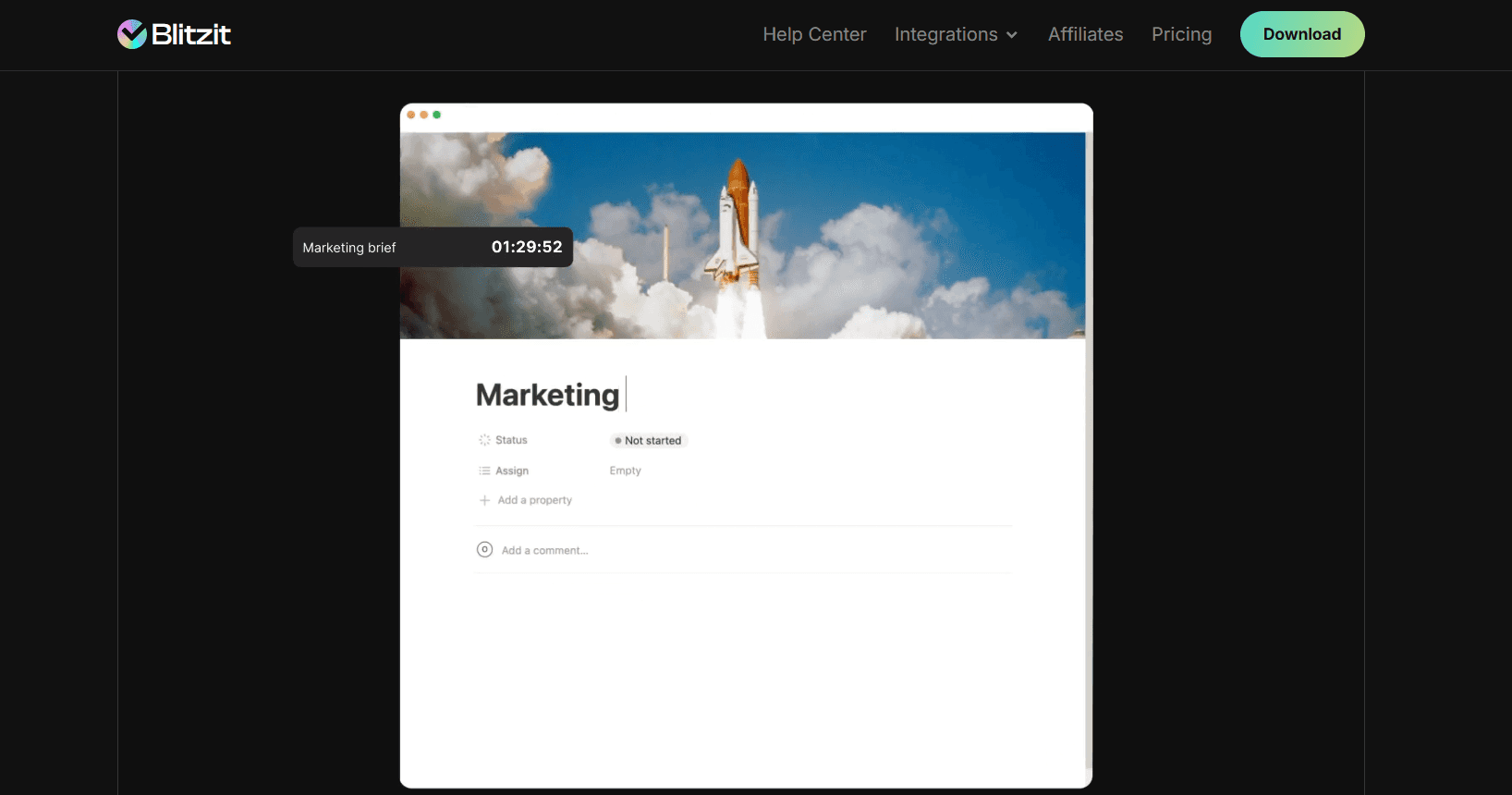
The key is protecting these blocks fiercely. When you're in a deep work block, notifications are off, your door is closed, and you're unreachable except for true emergencies. This is where Blitzit's Focus Panel shines; it creates that protected space where you can see your priority tasks without the noise of everything else competing for attention.
The Two-Minute Rule

David Allen's two-minute rule is brilliantly simple: if something takes less than two minutes to complete, do it now. The mental energy required to remember it, track it, and eventually do it later far exceeds the energy of just handling it immediately.

But there's another two-minute rule that's equally powerful for building habits. When starting a new habit, scale it down to something that takes two minutes or less. Want to read more? Start with one page. Want to exercise? Start with two push-ups. Want to meditate? Start with two minutes of breathing.

This isn't about the two minutes themselves; it's about showing up consistently. Once you've established the habit of showing up, expanding it becomes natural. You'll often find yourself continuing past the two minutes anyway. But even if you don't, you've maintained the streak, strengthened the neural pathway, and made tomorrow easier.

Energy Management Through Micro-Habits

Productivity isn't just about managing time; it's about managing energy. You can have all the time in the world, but if you're running on fumes, you won't accomplish much.

Strategic Breaks and Movement

Your brain isn't designed for marathon work sessions. It operates in cycles, typically maintaining peak focus for 90-120 minutes before needing a break. Fighting this natural rhythm is like trying to sprint a marathon; you'll burn out fast.

Strategic breaks aren't about being lazy: they're about being smart. A five-minute walk every hour can improve focus, boost creativity, and enhance problem-solving. The movement increases blood flow to your brain, while the mental break allows your default mode network to process information in the background.

The Pomodoro Technique formalizes this with 25-minute work sprints followed by 5-minute breaks. But you can customize the timing to match your natural rhythms. Some people thrive on 45-minute deep work sessions with 10-minute breaks.

Here's a micro-habit that works wonders: every time you finish a task, stand up and stretch for 30 seconds. It's tiny, but it prevents the physical stagnation that drains mental energy.

Hydration and Nutrition Timing

Your brain is about 75% water. Even mild dehydration, we're talking 2%, can impair attention, memory, and cognitive performance. Yet most of us walk around chronically under-hydrated without realizing it's affecting our work.

The fix is simple: keep water visible and accessible. Start your day with a glass of water (your body's dehydrated after a night of sleep). Set subtle reminders if needed, or tie hydration to existing habits, drink water every time you complete a task or take a break.

Nutrition timing matters too. That post-lunch crash? It's real, and it's largely about what and when you eat. Heavy, carb-loaded lunches spike your blood sugar, leading to an inevitable crash. Smaller, protein-rich meals maintain steadier energy. And here's a productivity hack: save creative work for when you're slightly hungry. Research shows mild hunger can sharpen focus and creativity, just don't push it too far.

Tracking and Reinforcing Your Habit Stack

Tracking works because it makes progress easy to see. When habits stay invisible, it is easier to skip them and forget why they matter.

Streaks are one of the simplest ways to stay consistent. Seeing a run of successful days creates a strong “don’t break it” feeling, so sticking with the habit starts to feel like protecting something you already built.

Progress views also help you notice patterns. Over time, you can spot when you do your best work, what tasks you finish most often, and how often you get things done early. Blitzit’s productivity reports can help with this by showing trends like completion rates and your “early streak,” which tracks how often you finish ahead of schedule.

Blitzit Reports

Keep the habit stack simple. Start with one habit, lock it in, then add the next. Each habit becomes a trigger for the next one, so the routine gets easier instead of heavier.

Make tracking a tiny habit too. If it takes more than 30 seconds, it will be easy to skip. A quick daily check mark on a calendar, a habit tracker app, or built-in analytics from a tool is enough as long as it is consistent.

Finally, give small wins a quick moment of credit. Finishing your top tasks or hitting a seven-day streak deserves a simple reward, even if it is just a mental “nice.” That little positive signal helps your brain want to repeat the behavior tomorrow.

Conclusion

Small habits create extraordinary results not through dramatic transformations but through consistent, compound improvements. You don't need to revolutionize your entire life overnight. Pick one small habit, maybe it's time-blocking your mornings, or taking strategic breaks, or simply drinking more water. Master it. Make it automatic. Then build from there.

The beauty of this approach is that it works with your psychology, not against it. You're not relying on motivation or willpower, both of which are finite resources. You're building systems that make productivity the path of least resistance.

And remember, the goal isn't to become a productivity robot. It's to free up mental energy for what matters, whether that's creative work, time with family, or simply having the headspace to enjoy your accomplishments.

Tools like Blitzit can help automate the process, but the real power comes from the habits themselves. Start small. Stay consistent. And watch as those tiny changes compound into remarkable results. Your future self will thank you.

FAQ's

Why are small habits more effective than big productivity changes?

Small habits work because they’re easier to start, repeat, and sustain. Your brain resists drastic change but readily accepts tiny actions. When repeated consistently, these behaviors compound over time, creating significant improvements without relying on motivation or willpower.

How long does it take to build a habit?

There’s no single timeline, but research suggests habit formation depends on consistency rather than time. Simple habits can start feeling automatic in a few weeks, while more complex behaviors may take longer. The key is repetition, not perfection.

What is the habit loop and why does it matter?

The habit loop consists of a cue, routine, and reward. Understanding this loop helps you design habits that stick by making cues obvious, routines simple, and rewards satisfying. Once a habit is established, your brain runs it on autopilot, reducing decision fatigue.

Can small habits really improve productivity?

Yes. Small habits reduce friction, save mental energy, and create momentum. Actions like planning your day for five minutes, batching tasks, or setting up your workspace in advance can save hours over time by preventing distraction and indecision.

What’s the best habit to start with for productivity?

The best habit is one that feels almost too easy. For many people, this might be writing down the top three tasks for the day, setting a consistent wake-up time, or working in short, focused sessions. Starting small increases your chances of sticking with it.
Productivity can feel hard to hold onto, even with the best intentions. The good news is that it often comes down to small habits that are easy to repeat, not huge changes that are hard to maintain. This guide breaks down how habits form, how to choose the ones that matter most, and simple ways to put them into practice so progress actually sticks.

The real shift is not working longer hours; it is building small, effective habits that support your day instead of fighting it. If staying consistent is the tricky part, tools like Blitzit can help you keep track of those habits and protect focused time so tasks move forward. Keep reading to see how small, effective habits improve your productivity and how to start with a few changes that quickly add up.

The Science Behind Habit Formation and Productivity

Here's the thing about habits: they're your brain's way of putting routine tasks on autopilot. When you repeat an action enough times, your brain creates a neurological loop: cue, routine, reward. This shift from conscious effort to automatic behavior is gold for productivity because it frees up mental bandwidth for the stuff that really matters.

Think about it, every decision you make throughout the day chips away at your willpower reserves. What to wear, what to eat, whether to check that notification, it all adds up. But when you turn productive behaviors into habits, you're essentially removing decisions from the equation. Your brain stops treating these actions as choices and starts treating them as givens.

The research says that nearly 45% of our daily actions are habits, not conscious decisions. That's almost half your day running on autopilot. So the question becomes: are your autopilot behaviors helping or hindering your productivity?

The Compound Effect of Small Changes

You don't need to overhaul your entire life to see results. Behavioral scientists have found that marginal gains, those tiny, almost insignificant improvements, create massive outcomes when they compound over time.

Picture this: improving by just 1% each day doesn't feel like much. But mathematically, if you get 1% better each day for a year, you'll end up 37 times better by the end of it. Not 37% better, 37 times better. That's the power of compound interest applied to personal development.

The British cycling team famously used this approach to dominate the sport. They improved everything by tiny margins, from the pillows cyclists slept on to the massage gels they used. Each change was negligible on its own, but together? They won 178 world championships and 66 Olympic medals.

Your productivity works the same way. A five-minute morning planning session might save you 15 minutes of wandering later. Setting up your workspace the night before might help you jump straight into deep work. Small changes, big results.

Neural Pathways and Automatic Behaviors

Your brain is constantly rewiring itself based on what you do repeatedly. Neuroscientists call this neuroplasticity, and it's why practice really does make perfect, or at least automatic.

Every time you perform an action, you strengthen the neural pathways associated with that behavior. It's like walking through a field of tall grass. The first time, it's hard work pushing through. But walk the same path every day, and soon you've got a clear trail that's easy to follow.

Consistent practice beats sporadic bursts every time. This is called the spacing effect; your brain retains and strengthens connections better when learning is spread out over time rather than crammed into intense sessions. And here's a bonus: sleep consolidates these pathways, helping new behaviors become automatic faster. So yes, sleeping on it works.

The beautiful part? Once these pathways are established, the behaviors become almost effortless. You stop needing motivation because the habit pulls you forward automatically.

Morning Habits That Set the Tone for Success

Mornings matter more than you think. What you do in the first hour after waking often determines the trajectory of your entire day. And no, you don't need a two-hour morning routine involving meditation, journaling, exercise, and a green smoothie (unless that's your thing).

The Power of a Consistent Wake Time

Your body runs on an internal clock called your circadian rhythm. When you wake up at the same time every day, yes, even on weekends, you're working with this rhythm instead of against it.

Consistent wake times improve more than just your energy levels. They enhance cognitive function, stabilize your mood, and make other habits easier to maintain. Your body starts preparing for wakefulness before your alarm even goes off, releasing cortisol and raising your body temperature at just the right time.

But here's what most people miss: a consistent wake time also makes it easier to fall asleep at night. Your body learns the pattern and starts winding down at the appropriate time. Better sleep means better focus tomorrow. It's a productivity loop that feeds itself.

Mindful Morning Routines

You know that feeling when you nail something first thing in the morning? That's not just satisfaction, it's momentum. Small morning wins create what psychologists call an 'achievement priming effect.' Your brain gets a taste of success and wants more.

Start simple. Make your bed. Drink a glass of water. Spend two minutes planning your day. These aren't life-changing actions on their own, but they send a powerful signal to your brain: "We're in control here. We get things done."

One particularly effective approach is to tackle your most important task first, what productivity experts call 'eating the frog.' When you handle your biggest challenge while your willpower is fresh, everything else feels easier by comparison. Tools like Blitzit's Today column can help here, letting you prioritize tasks the night before so you wake up knowing exactly where to start.

Time Management Habits for Peak Performance

Time management isn't about squeezing more hours out of the day; it's about making the hours you have count. The right habits can help you work with your natural energy rhythms instead of fighting them.

Time Blocking and Task Batching

Your brain hates context switching. Every time you jump between different types of tasks, you lose precious minutes to what researchers call 'switching costs.' It's like your mental gears need time to shift.

Time blocking solves this by dedicating specific chunks of time to specific types of work. Instead of bouncing between emails, creative work, and meetings all day, you batch similar tasks together. Maybe 9-11 AM is for deep work, 11-12 for emails, 2-3 for meetings.

Task batching takes this further. Instead of processing emails as they come in, you handle them all at once. Instead of making phone calls throughout the day, you knock them all out in one session. Your brain stays in one mode, and you move through tasks faster.

The key is protecting these blocks fiercely. When you're in a deep work block, notifications are off, your door is closed, and you're unreachable except for true emergencies. This is where Blitzit's Focus Panel shines; it creates that protected space where you can see your priority tasks without the noise of everything else competing for attention.

The Two-Minute Rule

David Allen's two-minute rule is brilliantly simple: if something takes less than two minutes to complete, do it now. The mental energy required to remember it, track it, and eventually do it later far exceeds the energy of just handling it immediately.

But there's another two-minute rule that's equally powerful for building habits. When starting a new habit, scale it down to something that takes two minutes or less. Want to read more? Start with one page. Want to exercise? Start with two push-ups. Want to meditate? Start with two minutes of breathing.

This isn't about the two minutes themselves; it's about showing up consistently. Once you've established the habit of showing up, expanding it becomes natural. You'll often find yourself continuing past the two minutes anyway. But even if you don't, you've maintained the streak, strengthened the neural pathway, and made tomorrow easier.

Energy Management Through Micro-Habits

Productivity isn't just about managing time; it's about managing energy. You can have all the time in the world, but if you're running on fumes, you won't accomplish much.

Strategic Breaks and Movement

Your brain isn't designed for marathon work sessions. It operates in cycles, typically maintaining peak focus for 90-120 minutes before needing a break. Fighting this natural rhythm is like trying to sprint a marathon; you'll burn out fast.

Strategic breaks aren't about being lazy: they're about being smart. A five-minute walk every hour can improve focus, boost creativity, and enhance problem-solving. The movement increases blood flow to your brain, while the mental break allows your default mode network to process information in the background.

The Pomodoro Technique formalizes this with 25-minute work sprints followed by 5-minute breaks. But you can customize the timing to match your natural rhythms. Some people thrive on 45-minute deep work sessions with 10-minute breaks.

Here's a micro-habit that works wonders: every time you finish a task, stand up and stretch for 30 seconds. It's tiny, but it prevents the physical stagnation that drains mental energy.

Hydration and Nutrition Timing

Your brain is about 75% water. Even mild dehydration, we're talking 2%, can impair attention, memory, and cognitive performance. Yet most of us walk around chronically under-hydrated without realizing it's affecting our work.

The fix is simple: keep water visible and accessible. Start your day with a glass of water (your body's dehydrated after a night of sleep). Set subtle reminders if needed, or tie hydration to existing habits, drink water every time you complete a task or take a break.

Nutrition timing matters too. That post-lunch crash? It's real, and it's largely about what and when you eat. Heavy, carb-loaded lunches spike your blood sugar, leading to an inevitable crash. Smaller, protein-rich meals maintain steadier energy. And here's a productivity hack: save creative work for when you're slightly hungry. Research shows mild hunger can sharpen focus and creativity, just don't push it too far.

Tracking and Reinforcing Your Habit Stack

Tracking works because it makes progress easy to see. When habits stay invisible, it is easier to skip them and forget why they matter.

Streaks are one of the simplest ways to stay consistent. Seeing a run of successful days creates a strong “don’t break it” feeling, so sticking with the habit starts to feel like protecting something you already built.

Progress views also help you notice patterns. Over time, you can spot when you do your best work, what tasks you finish most often, and how often you get things done early. Blitzit’s productivity reports can help with this by showing trends like completion rates and your “early streak,” which tracks how often you finish ahead of schedule.

Blitzit Reports

Keep the habit stack simple. Start with one habit, lock it in, then add the next. Each habit becomes a trigger for the next one, so the routine gets easier instead of heavier.

Make tracking a tiny habit too. If it takes more than 30 seconds, it will be easy to skip. A quick daily check mark on a calendar, a habit tracker app, or built-in analytics from a tool is enough as long as it is consistent.

Finally, give small wins a quick moment of credit. Finishing your top tasks or hitting a seven-day streak deserves a simple reward, even if it is just a mental “nice.” That little positive signal helps your brain want to repeat the behavior tomorrow.

Conclusion

Small habits create extraordinary results not through dramatic transformations but through consistent, compound improvements. You don't need to revolutionize your entire life overnight. Pick one small habit, maybe it's time-blocking your mornings, or taking strategic breaks, or simply drinking more water. Master it. Make it automatic. Then build from there.

The beauty of this approach is that it works with your psychology, not against it. You're not relying on motivation or willpower, both of which are finite resources. You're building systems that make productivity the path of least resistance.

And remember, the goal isn't to become a productivity robot. It's to free up mental energy for what matters, whether that's creative work, time with family, or simply having the headspace to enjoy your accomplishments.

Tools like Blitzit can help automate the process, but the real power comes from the habits themselves. Start small. Stay consistent. And watch as those tiny changes compound into remarkable results. Your future self will thank you.

FAQ's

Why are small habits more effective than big productivity changes?

Small habits work because they’re easier to start, repeat, and sustain. Your brain resists drastic change but readily accepts tiny actions. When repeated consistently, these behaviors compound over time, creating significant improvements without relying on motivation or willpower.

How long does it take to build a habit?

There’s no single timeline, but research suggests habit formation depends on consistency rather than time. Simple habits can start feeling automatic in a few weeks, while more complex behaviors may take longer. The key is repetition, not perfection.

What is the habit loop and why does it matter?

The habit loop consists of a cue, routine, and reward. Understanding this loop helps you design habits that stick by making cues obvious, routines simple, and rewards satisfying. Once a habit is established, your brain runs it on autopilot, reducing decision fatigue.

Can small habits really improve productivity?

Yes. Small habits reduce friction, save mental energy, and create momentum. Actions like planning your day for five minutes, batching tasks, or setting up your workspace in advance can save hours over time by preventing distraction and indecision.

What’s the best habit to start with for productivity?

The best habit is one that feels almost too easy. For many people, this might be writing down the top three tasks for the day, setting a consistent wake-up time, or working in short, focused sessions. Starting small increases your chances of sticking with it.

Productivity can feel hard to hold onto, even with the best intentions. The good news is that it often comes down to small habits that are easy to repeat, not huge changes that are hard to maintain. This guide breaks down how habits form, how to choose the ones that matter most, and simple ways to put them into practice so progress actually sticks.

The real shift is not working longer hours; it is building small, effective habits that support your day instead of fighting it. If staying consistent is the tricky part, tools like Blitzit can help you keep track of those habits and protect focused time so tasks move forward. Keep reading to see how small, effective habits improve your productivity and how to start with a few changes that quickly add up.

The Science Behind Habit Formation and Productivity

Here's the thing about habits: they're your brain's way of putting routine tasks on autopilot. When you repeat an action enough times, your brain creates a neurological loop: cue, routine, reward. This shift from conscious effort to automatic behavior is gold for productivity because it frees up mental bandwidth for the stuff that really matters.

Think about it, every decision you make throughout the day chips away at your willpower reserves. What to wear, what to eat, whether to check that notification, it all adds up. But when you turn productive behaviors into habits, you're essentially removing decisions from the equation. Your brain stops treating these actions as choices and starts treating them as givens.

The research says that nearly 45% of our daily actions are habits, not conscious decisions. That's almost half your day running on autopilot. So the question becomes: are your autopilot behaviors helping or hindering your productivity?

The Compound Effect of Small Changes

You don't need to overhaul your entire life to see results. Behavioral scientists have found that marginal gains, those tiny, almost insignificant improvements, create massive outcomes when they compound over time.

Picture this: improving by just 1% each day doesn't feel like much. But mathematically, if you get 1% better each day for a year, you'll end up 37 times better by the end of it. Not 37% better, 37 times better. That's the power of compound interest applied to personal development.

The British cycling team famously used this approach to dominate the sport. They improved everything by tiny margins, from the pillows cyclists slept on to the massage gels they used. Each change was negligible on its own, but together? They won 178 world championships and 66 Olympic medals.

Your productivity works the same way. A five-minute morning planning session might save you 15 minutes of wandering later. Setting up your workspace the night before might help you jump straight into deep work. Small changes, big results.

Neural Pathways and Automatic Behaviors

Your brain is constantly rewiring itself based on what you do repeatedly. Neuroscientists call this neuroplasticity, and it's why practice really does make perfect, or at least automatic.

Every time you perform an action, you strengthen the neural pathways associated with that behavior. It's like walking through a field of tall grass. The first time, it's hard work pushing through. But walk the same path every day, and soon you've got a clear trail that's easy to follow.

Consistent practice beats sporadic bursts every time. This is called the spacing effect; your brain retains and strengthens connections better when learning is spread out over time rather than crammed into intense sessions. And here's a bonus: sleep consolidates these pathways, helping new behaviors become automatic faster. So yes, sleeping on it works.

The beautiful part? Once these pathways are established, the behaviors become almost effortless. You stop needing motivation because the habit pulls you forward automatically.

Morning Habits That Set the Tone for Success

Mornings matter more than you think. What you do in the first hour after waking often determines the trajectory of your entire day. And no, you don't need a two-hour morning routine involving meditation, journaling, exercise, and a green smoothie (unless that's your thing).

The Power of a Consistent Wake Time

Your body runs on an internal clock called your circadian rhythm. When you wake up at the same time every day, yes, even on weekends, you're working with this rhythm instead of against it.

Consistent wake times improve more than just your energy levels. They enhance cognitive function, stabilize your mood, and make other habits easier to maintain. Your body starts preparing for wakefulness before your alarm even goes off, releasing cortisol and raising your body temperature at just the right time.

But here's what most people miss: a consistent wake time also makes it easier to fall asleep at night. Your body learns the pattern and starts winding down at the appropriate time. Better sleep means better focus tomorrow. It's a productivity loop that feeds itself.

Mindful Morning Routines

You know that feeling when you nail something first thing in the morning? That's not just satisfaction, it's momentum. Small morning wins create what psychologists call an 'achievement priming effect.' Your brain gets a taste of success and wants more.

Start simple. Make your bed. Drink a glass of water. Spend two minutes planning your day. These aren't life-changing actions on their own, but they send a powerful signal to your brain: "We're in control here. We get things done."

One particularly effective approach is to tackle your most important task first, what productivity experts call 'eating the frog.' When you handle your biggest challenge while your willpower is fresh, everything else feels easier by comparison. Tools like Blitzit's Today column can help here, letting you prioritize tasks the night before so you wake up knowing exactly where to start.

Time Management Habits for Peak Performance

Time management isn't about squeezing more hours out of the day; it's about making the hours you have count. The right habits can help you work with your natural energy rhythms instead of fighting them.

Time Blocking and Task Batching

Your brain hates context switching. Every time you jump between different types of tasks, you lose precious minutes to what researchers call 'switching costs.' It's like your mental gears need time to shift.

Time blocking solves this by dedicating specific chunks of time to specific types of work. Instead of bouncing between emails, creative work, and meetings all day, you batch similar tasks together. Maybe 9-11 AM is for deep work, 11-12 for emails, 2-3 for meetings.

Task batching takes this further. Instead of processing emails as they come in, you handle them all at once. Instead of making phone calls throughout the day, you knock them all out in one session. Your brain stays in one mode, and you move through tasks faster.

The key is protecting these blocks fiercely. When you're in a deep work block, notifications are off, your door is closed, and you're unreachable except for true emergencies. This is where Blitzit's Focus Panel shines; it creates that protected space where you can see your priority tasks without the noise of everything else competing for attention.

The Two-Minute Rule

David Allen's two-minute rule is brilliantly simple: if something takes less than two minutes to complete, do it now. The mental energy required to remember it, track it, and eventually do it later far exceeds the energy of just handling it immediately.

But there's another two-minute rule that's equally powerful for building habits. When starting a new habit, scale it down to something that takes two minutes or less. Want to read more? Start with one page. Want to exercise? Start with two push-ups. Want to meditate? Start with two minutes of breathing.

This isn't about the two minutes themselves; it's about showing up consistently. Once you've established the habit of showing up, expanding it becomes natural. You'll often find yourself continuing past the two minutes anyway. But even if you don't, you've maintained the streak, strengthened the neural pathway, and made tomorrow easier.

Energy Management Through Micro-Habits

Productivity isn't just about managing time; it's about managing energy. You can have all the time in the world, but if you're running on fumes, you won't accomplish much.

Strategic Breaks and Movement

Your brain isn't designed for marathon work sessions. It operates in cycles, typically maintaining peak focus for 90-120 minutes before needing a break. Fighting this natural rhythm is like trying to sprint a marathon; you'll burn out fast.

Strategic breaks aren't about being lazy: they're about being smart. A five-minute walk every hour can improve focus, boost creativity, and enhance problem-solving. The movement increases blood flow to your brain, while the mental break allows your default mode network to process information in the background.

The Pomodoro Technique formalizes this with 25-minute work sprints followed by 5-minute breaks. But you can customize the timing to match your natural rhythms. Some people thrive on 45-minute deep work sessions with 10-minute breaks.

Here's a micro-habit that works wonders: every time you finish a task, stand up and stretch for 30 seconds. It's tiny, but it prevents the physical stagnation that drains mental energy.

Hydration and Nutrition Timing

Your brain is about 75% water. Even mild dehydration, we're talking 2%, can impair attention, memory, and cognitive performance. Yet most of us walk around chronically under-hydrated without realizing it's affecting our work.

The fix is simple: keep water visible and accessible. Start your day with a glass of water (your body's dehydrated after a night of sleep). Set subtle reminders if needed, or tie hydration to existing habits, drink water every time you complete a task or take a break.

Nutrition timing matters too. That post-lunch crash? It's real, and it's largely about what and when you eat. Heavy, carb-loaded lunches spike your blood sugar, leading to an inevitable crash. Smaller, protein-rich meals maintain steadier energy. And here's a productivity hack: save creative work for when you're slightly hungry. Research shows mild hunger can sharpen focus and creativity, just don't push it too far.

Tracking and Reinforcing Your Habit Stack

Tracking works because it makes progress easy to see. When habits stay invisible, it is easier to skip them and forget why they matter.

Streaks are one of the simplest ways to stay consistent. Seeing a run of successful days creates a strong “don’t break it” feeling, so sticking with the habit starts to feel like protecting something you already built.

Progress views also help you notice patterns. Over time, you can spot when you do your best work, what tasks you finish most often, and how often you get things done early. Blitzit’s productivity reports can help with this by showing trends like completion rates and your “early streak,” which tracks how often you finish ahead of schedule.

Blitzit Reports

Keep the habit stack simple. Start with one habit, lock it in, then add the next. Each habit becomes a trigger for the next one, so the routine gets easier instead of heavier.

Make tracking a tiny habit too. If it takes more than 30 seconds, it will be easy to skip. A quick daily check mark on a calendar, a habit tracker app, or built-in analytics from a tool is enough as long as it is consistent.

Finally, give small wins a quick moment of credit. Finishing your top tasks or hitting a seven-day streak deserves a simple reward, even if it is just a mental “nice.” That little positive signal helps your brain want to repeat the behavior tomorrow.

Conclusion

Small habits create extraordinary results not through dramatic transformations but through consistent, compound improvements. You don't need to revolutionize your entire life overnight. Pick one small habit, maybe it's time-blocking your mornings, or taking strategic breaks, or simply drinking more water. Master it. Make it automatic. Then build from there.

The beauty of this approach is that it works with your psychology, not against it. You're not relying on motivation or willpower, both of which are finite resources. You're building systems that make productivity the path of least resistance.

And remember, the goal isn't to become a productivity robot. It's to free up mental energy for what matters, whether that's creative work, time with family, or simply having the headspace to enjoy your accomplishments.

Tools like Blitzit can help automate the process, but the real power comes from the habits themselves. Start small. Stay consistent. And watch as those tiny changes compound into remarkable results. Your future self will thank you.

FAQ's

Why are small habits more effective than big productivity changes?

Small habits work because they’re easier to start, repeat, and sustain. Your brain resists drastic change but readily accepts tiny actions. When repeated consistently, these behaviors compound over time, creating significant improvements without relying on motivation or willpower.

How long does it take to build a habit?

There’s no single timeline, but research suggests habit formation depends on consistency rather than time. Simple habits can start feeling automatic in a few weeks, while more complex behaviors may take longer. The key is repetition, not perfection.

What is the habit loop and why does it matter?

The habit loop consists of a cue, routine, and reward. Understanding this loop helps you design habits that stick by making cues obvious, routines simple, and rewards satisfying. Once a habit is established, your brain runs it on autopilot, reducing decision fatigue.

Can small habits really improve productivity?

Yes. Small habits reduce friction, save mental energy, and create momentum. Actions like planning your day for five minutes, batching tasks, or setting up your workspace in advance can save hours over time by preventing distraction and indecision.

What’s the best habit to start with for productivity?

The best habit is one that feels almost too easy. For many people, this might be writing down the top three tasks for the day, setting a consistent wake-up time, or working in short, focused sessions. Starting small increases your chances of sticking with it.